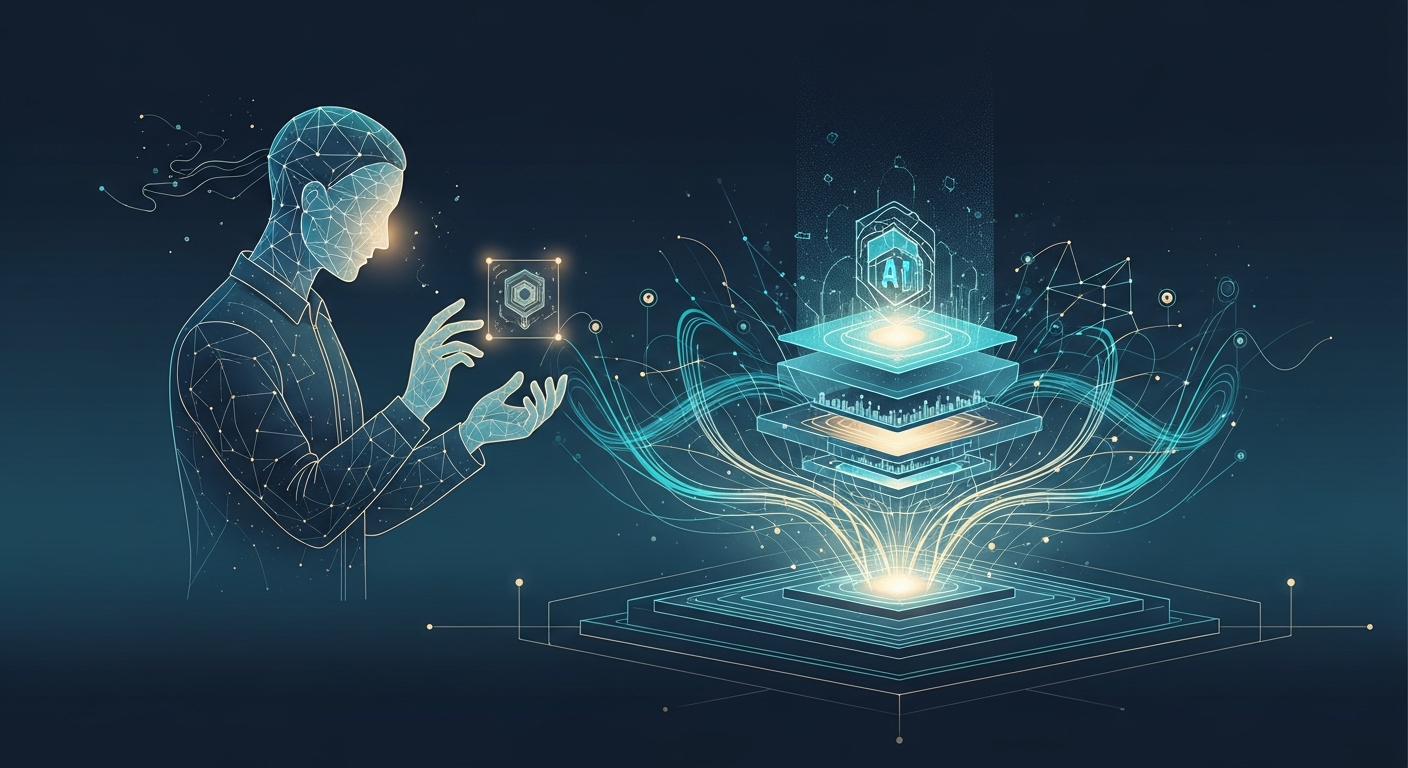
In an era defined by unprecedented complexity and rapid change, organizations are constantly seeking methodologies to not only react but proactively shape their future. While Artificial Intelligence has transformed numerous facets of business, its most profound impact may lie in its emergent role as the architect of sophisticated digital twins. Far beyond mere simulations, AI-powered digital twins are becoming living, breathing replicas of entire enterprises, intricate supply chains, critical infrastructure, and even urban ecosystems. They offer a predictive lens, enabling business leaders and tech strategists to stress-test scenarios, optimize operations, and forge systemic resilience against unforeseen disruptions.
The Evolution of Predictive Power: From Models to Living Replicas
For years, digital twins have been primarily associated with product lifecycle management and manufacturing, creating virtual models of physical assets to monitor performance and predict maintenance needs. However, AI is rapidly expanding this paradigm. Today’s AI-driven digital twins transcend static models, incorporating vast streams of real-time data—from IoT sensors, operational systems, financial markets, and even social sentiment—to create dynamic, continuously updated representations. These advanced twins don't just mimic; they learn, predict, and evolve alongside their physical counterparts. AI algorithms process this deluge of data, identifying intricate correlations and patterns that human analysis simply cannot discern, thereby offering an unparalleled depth of insight into systemic behavior.
Beyond Simulation: Real-time Orchestration and Optimization
The true power of AI as the architect of digital twins emerges in its capacity for real-time orchestration and optimization. Imagine a global logistics network represented by an AI-driven digital twin. This twin can simulate the impact of geopolitical events, natural disasters, or sudden demand spikes, predicting bottlenecks before they occur and recommending optimal rerouting or resource redistribution strategies. For smart cities, a digital twin can model traffic flows, energy consumption, and public service demand, allowing city planners to optimize infrastructure deployment and emergency responses with precision. In complex industrial operations, an AI twin can predict equipment failures, optimize production lines, and even simulate the impact of process changes on overall efficiency and environmental footprint. This predictive capability translates directly into significant operational efficiencies, cost reductions, and enhanced decision-making agility.
- Proactive Risk Mitigation: Identify potential failure points or disruptions in complex systems before they materialize.
- Resource Optimization: Dynamically allocate resources (human, capital, material) based on real-time and predicted needs.
- Strategic Scenario Planning: Test the efficacy of various business strategies or infrastructure investments in a virtual environment without real-world risk.
- Enhanced Operational Visibility: Gain a holistic, real-time view of interwoven operational components and their interdependencies.
Forging Resilience in a Volatile World
The imperative for systemic resilience has never been greater. Geopolitical tensions, climate change, economic volatility, and cyber threats demand that organizations are not merely robust, but truly adaptive. AI-powered digital twins are the ultimate tool for achieving this. By creating a comprehensive virtual blueprint of an enterprise or infrastructure, leaders can continuously monitor its health, identify vulnerabilities, and conduct sophisticated "what-if" analyses. This allows for the development of highly informed contingency plans and adaptive strategies. For instance, a financial institution can simulate the impact of a market crash on its entire portfolio and operational framework, adjusting strategies for risk exposure and liquidity in advance. A national energy grid can model the effects of extreme weather events or cyberattacks, fortifying its infrastructure and response protocols. This capability transforms organizations from reactive entities into foresightful architects of their own robust futures.
Strategic Implications for Business Leaders and Marketers
Invest in Data Infrastructure and Integration:
The fidelity of an AI-powered digital twin is directly proportional to the quality and breadth of data it ingests. Leaders must prioritize robust data collection, integration, and governance strategies across all organizational silos. This means investing in advanced IoT sensors, secure data lakes, and powerful integration platforms that can feed diverse data types into the twin.
Foster Interdisciplinary Collaboration:
Building and leveraging these advanced twins requires a blend of AI specialists, domain experts (e.g., city planners, supply chain managers), data scientists, and ethicists. Breaking down departmental silos and encouraging cross-functional teams will be crucial for successful implementation.
Develop Future-Ready Talent:
The workforce must evolve to interact with and derive insights from these complex systems. Training programs focused on data literacy, AI interpretation, and systems thinking will be essential for employees at all levels, from operational staff to senior leadership. Marketers, in particular, need to understand how these insights can inform more resilient brand strategies and customer experiences, anticipating market shifts with greater accuracy. This includes leveraging advanced AI tools to transform digital communication for modern businesses, ensuring content is adaptive and impactful.
Prioritize Ethical AI and Governance:
As digital twins become more autonomous and influential, establishing clear ethical guidelines for their development, deployment, and decision-making processes is paramount. Questions of bias, privacy, accountability, and security must be addressed proactively to maintain trust and ensure responsible innovation.
The Road Ahead: Hyper-Realistic Futures
The journey of AI-architected digital twins is just beginning. We can anticipate an even greater integration of sensory data, including haptic feedback and environmental sensing, creating hyper-realistic experiences. The next frontier will likely involve "digital twin of twins" – linking multiple complex twins to model vast, interconnected systems, potentially even entire planetary ecosystems. This will not only empower individual enterprises but also offer humanity unprecedented tools to understand, manage, and sustain our world, moving towards a future where prediction and proactive management become the norm, rather than the exception.