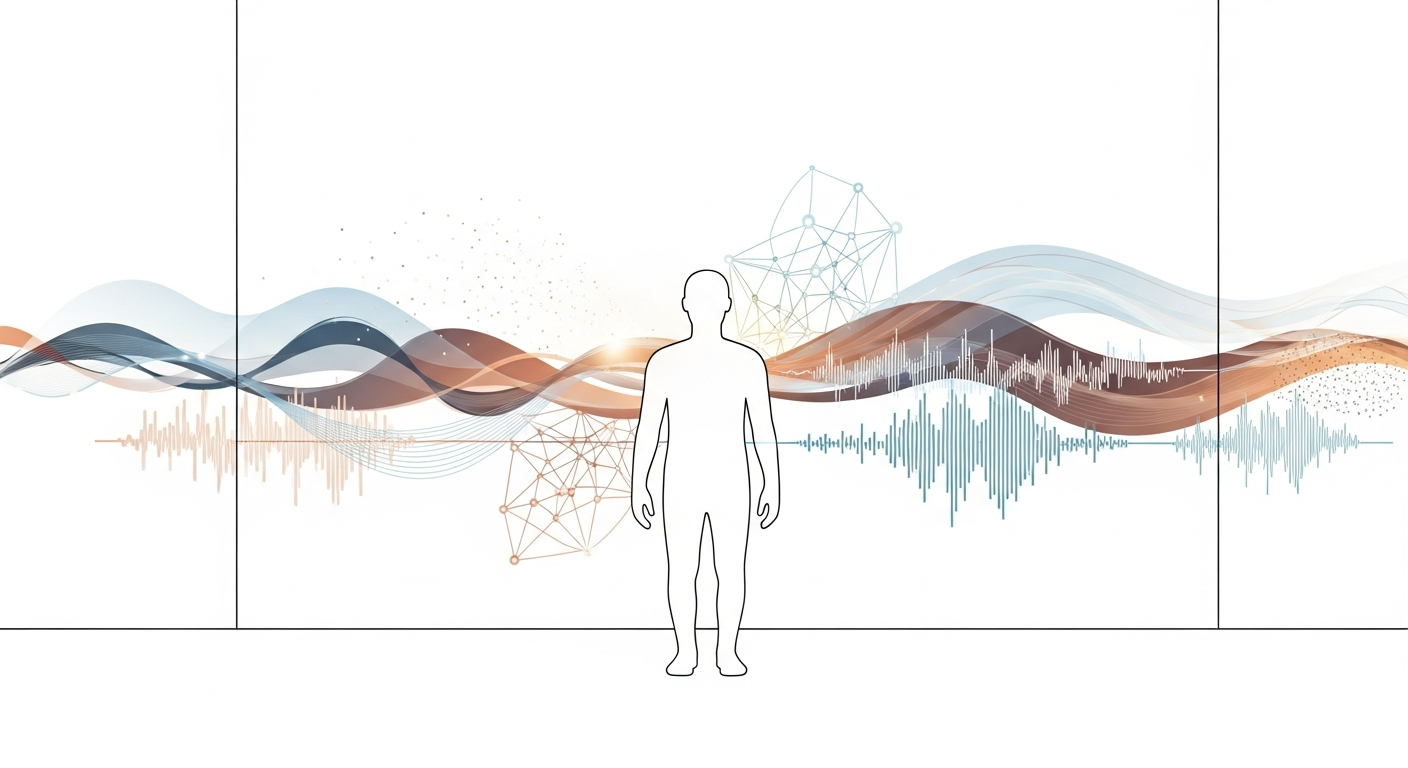
In an increasingly digital-first world, brands vie for attention in a saturated marketplace. While digital channels offer unparalleled reach, the true depth of human connection often lies beyond the screen. To genuinely captivate and resonate with consumers, businesses must transcend traditional visual and auditory stimuli and engage all five senses. This is where Adaptive Sensory Marketing (ASM) emerges as the next frontier for profound customer engagement, leveraging AI to orchestrate dynamic, multi-modal brand experiences in real-time.
Beyond the Screen: Understanding Adaptive Sensory Marketing
Traditional marketing has primarily focused on the eyes and ears – sight, sound, and a touch of text. Adaptive Sensory Marketing, however, is about designing an environment that intelligently integrates taste, touch, smell, and even proprioception (the sense of self-movement and body position), adapting in real-time based on AI-driven insights. It's not merely playing background music or having a pleasant aroma; it's a sophisticated, dynamic symphony of environmental cues, precisely tailored to individual preferences, mood, and context. Imagine a physical space that literally changes its essence to match your evolving state.
This approach moves beyond static branding to a fluid, living experience. It recognizes that our perceptions and emotional responses are deeply intertwined with our sensory input, and by intelligently manipulating these inputs, brands can foster unparalleled engagement and memory recall.
The AI Engine: Personalizing the Physical Realm
At the heart of Adaptive Sensory Marketing lies advanced Artificial Intelligence. AI is the operational core that processes vast amounts of data—from customer demographics, past interactions, real-time biometric data (with appropriate consent and ethical safeguards), environmental sensors (light, temperature, humidity, air quality), even local events or macro-economic indicators. These diverse data streams provide a holistic view of the individual and their environment.
Sophisticated AI algorithms then orchestrate a tailored sensory output. This could involve subtly adjusting lighting hues and intensity, diffusing specific scents proven to evoke certain emotions (e.g., lavender for relaxation, citrus for energy), modifying ambient soundscapes (from calming nature sounds to energizing beats), or even influencing tactile feedback in interactive displays or product packaging. The goal is to create a seamless, harmonious sensory profile that enhances the desired brand narrative or customer experience.
- Data Integration: Seamlessly blending CRM data, IoT sensor inputs, social listening, and external environmental data for a 360-degree view.
- Real-time Personalization: Leveraging machine learning to adjust sensory elements moment-by-moment, anticipating and responding to user needs.
- Predictive Analytics: Utilizing AI to forecast customer preferences and behaviors, enabling proactive sensory adjustments that elevate the experience before explicit action is taken.
Unleashing Multi-Modal Engagement: Practical Applications
For senior marketers and business leaders, the practical applications of ASM are immense, offering new avenues for differentiation and customer loyalty.
Retail Environments
Imagine walking into a clothing store where AI, observing your browsing patterns and perhaps integrating data from your loyalty app, subtly shifts the music to energizing beats, diffuses a refreshing citrus scent, and illuminates a display with items complementary to your expressed style or recent purchases. This creates a highly personalized and compelling shopping journey.
Actionable Takeaway: Retailers can deploy smart shelving with integrated sensors, dynamic lighting, and scent diffusers, creating evolving product narratives that adapt to individual shopper behavior and ambient store conditions. This moves beyond passive merchandising to active, intelligent engagement.
Hospitality and Events
Hotels could use AI to welcome guests with room ambiance (lighting, temperature, personalized scent) tailored to their profile and the time of day, enhancing relaxation upon arrival or productivity for a business traveler. At conferences, breakout rooms could adapt their sensory profile to the topic being discussed or the energy levels of attendees, optimizing focus and engagement.
Actionable Takeaway: Event organizers can utilize portable AI-enabled sensory hubs to customize zones within a venue, maximizing delegate focus, enhancing networking, and eliciting positive emotional responses aligned with event goals.
Brand Showrooms and Experiential Pop-ups
Automotive showrooms could offer a "test drive" of a car's interior feel and scent even before a customer sits in it, tailored to evoke luxury, sportiness, or eco-friendliness based on their expressed interests. Brands can create pop-ups that leverage AI to craft unique, memorable sensory journeys from entry to exit, deepening brand recall and encouraging social sharing.
Actionable Takeaway: Invest in designing temporary or permanent experiential spaces where AI orchestrates multi-sensory storytelling. This fosters deep emotional connections and transforms passive viewing into active, immersive participation.
The Strategic Advantage: Elevating Brand Resonance
Adaptive Sensory Marketing offers a profound competitive edge in today's experience economy. By engaging customers on a deeper, often subconscious level, it fosters emotional connections and memorable experiences that digital-only interactions struggle to achieve. When a brand appeals to multiple senses in a personalized, adaptive way, it creates a unique fingerprint in the customer's mind.
This leads to increased brand loyalty, higher conversion rates, and a distinct brand identity that differentiates businesses in crowded markets. It elevates the customer relationship beyond mere transactions to deeply experiential and cherished interactions.
- Enhanced Brand Recall: Experiences that engage more senses are inherently more memorable and impactful.
- Deeper Emotional Connection: Taps into subconscious associations, moods, and desires, forging stronger bonds.
- Personalized Engagement: Customers feel genuinely understood, valued, and catered to, boosting satisfaction.
- Competitive Differentiation: Offers a truly unique market offering that is difficult for competitors to replicate solely through digital channels.
Navigating the Ethical Landscape and Future Horizons
While the power of ASM is immense, its implementation necessitates careful consideration of ethical implications. Transparency about data collection, ensuring privacy, and designing experiences that genuinely enhance rather than subtly manipulate are paramount. Brands must focus on building trust, offering clear opt-out options, and ensuring sensory enhancements genuinely align with user well-being and preferences, not just immediate commercial gain.
The future points to even more seamless integration, with AI guiding not just static elements but dynamic, interactive sensory elements that respond to gestures, voice, and even subtle physiological cues (e.g., heart rate variability, galvanic skin response), pushing the boundaries of what a "brand experience" truly means. As technology advances, the potential for hyper-personalized, context-aware sensory environments will redefine how we interact with brands and spaces.
Actionable Takeaway: Prioritize ethical AI frameworks for sensory data collection and personalization. Build experiences that empower and delight customers, not exploit them, always offering clear value and user control. Trust is the ultimate currency in the adaptive sensory economy. For further insights into how AI transforms digital communication and content strategy, explore more on the DigiIQ blog.