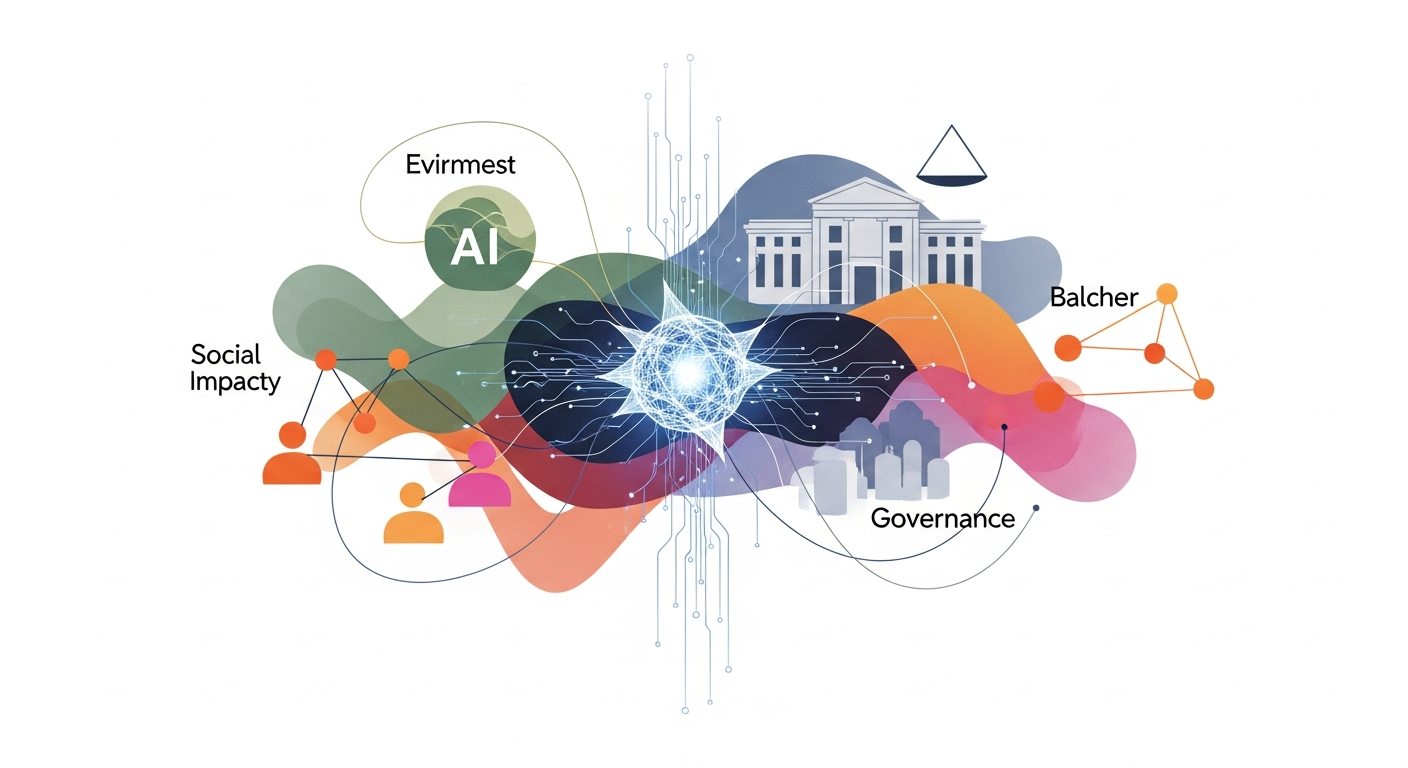
In today’s rapidly evolving business landscape, Environmental, Social, and Governance (ESG) considerations have transcended mere buzzwords to become critical drivers of long-term value, investor confidence, and brand reputation. However, many organizations still approach ESG as a reactive, compliance-driven exercise, often relying on retrospective reporting and manual data aggregation. This traditional paradigm misses the immense potential for ESG to become a proactive, strategic differentiator.
Enter Artificial Intelligence. AI is not just a tool for optimization or automation; it is a catalyst for transforming ESG from a periodic check-box activity into a real-time, intelligent system that predicts risks, identifies opportunities, and drives measurable, sustainable impact. For senior marketers, business leaders, and tech strategists, understanding how to harness AI for proactive ESG intelligence is no longer optional—it's imperative for future-proofing their enterprises and unlocking unprecedented value.
The Evolution of ESG: From Compliance to Strategic Imperative
The pressure on businesses to demonstrate robust ESG performance has never been higher. Shareholders, consumers, employees, and regulators are increasingly scrutinizing corporate practices, demanding transparency and accountability across the value chain. BlackRock’s consistent focus on sustainability, the rise of impact investing, and the growing consumer preference for ethically sound brands all underscore this shift.
However, the limitations of conventional ESG management are stark. Manual data collection is often slow, prone to errors, and provides only a snapshot of past performance. This reactive approach prevents organizations from anticipating emerging risks, dynamically adapting to changing standards, or truly embedding sustainability into their core operations. AI offers the bridge from this reactive stance to a proactive, forward-looking strategic advantage.
AI's Role in Unlocking Proactive Environmental Intelligence
The 'E' in ESG—Environmental—is perhaps where AI's real-time data processing capabilities shine most brightly. Companies can move beyond annual carbon footprint assessments to continuous, predictive environmental management.
Real-time Emissions Monitoring & Reduction
- Actionable Insight: Deploy AI-powered sensor networks and satellite imagery analysis to monitor greenhouse gas (GHG) emissions, energy consumption, and waste generation across facilities and supply chains in real-time.
- Practical Application: AI algorithms can detect anomalies, predict equipment failures leading to energy waste, and recommend optimal operational adjustments to minimize environmental impact. This goes beyond simple reporting to active, immediate mitigation. For marketers, this data offers concrete, verifiable proof points for sustainability claims.
Supply Chain Footprint Optimization
- Actionable Insight: Utilize AI to map and analyze the environmental impact of your entire supply chain, from raw material sourcing to product delivery.
- Practical Application: AI can identify high-risk suppliers, optimize logistics routes for lower emissions, and even recommend alternative, more sustainable materials based on a vast array of data points. For business leaders, this translates into reduced operational costs, enhanced resilience, and a significantly greener value chain.
Enhancing Social Impact with AI-Powered Insights
The 'S' in ESG covers a broad spectrum, from labor practices and diversity to community engagement and customer well-being. AI can provide nuanced insights that human analysis alone would struggle to uncover, fostering a more ethical and equitable operational environment.
Workforce Well-being & Ethical Labor Practices
- Actionable Insight: Implement AI tools for sentiment analysis of employee feedback, anomaly detection in HR data, and predictive analytics to identify potential risks like burnout, unfair compensation, or unsafe working conditions.
- Practical Application: By proactively identifying these issues, organizations can intervene early, foster a more inclusive culture, and ensure adherence to ethical labor standards. Marketers can leverage transparent reporting on these initiatives, using advanced communication tools like AI Video Generators for engaging explainer videos, or AI Video Personalisation for tailored internal updates, to attract top talent and build brand loyalty.
Community Engagement & Impact Measurement
- Actionable Insight: Use AI-driven social listening and geospatial analysis to understand the impact of your operations on local communities and gauge public sentiment.
- Practical Application: AI can process vast amounts of public data—news articles, social media, local government reports—to measure the effectiveness of community programs, identify areas for improvement, and ensure your presence contributes positively to societal well-being.
Strengthening Governance through Algorithmic Transparency & Risk Mitigation
The 'G' in ESG, Governance, focuses on leadership, ethical conduct, and internal controls. AI can dramatically enhance transparency, predict regulatory changes, and bolster ethical decision-making within the organization itself.
Regulatory Compliance & Predictive Risk
- Actionable Insight: Employ AI-powered regulatory intelligence platforms that monitor global legislation, predict impending changes, and assess their potential impact on your business.
- Practical Application: These systems can proactively flag compliance gaps, automate policy updates, and provide actionable recommendations to ensure your organization remains ahead of regulatory curves, significantly reducing legal and reputational risks.
Data Privacy & Algorithmic Ethics
- Actionable Insight: Develop internal AI ethics frameworks and deploy AI tools for auditing data usage, ensuring privacy compliance (e.g., GDPR, CCPA), and detecting biases in your own algorithms.
- Practical Application: For tech strategists, this means building 'ethical AI by design,' ensuring your AI systems are fair, transparent, and accountable. Marketers can then communicate a strong commitment to data privacy and ethical AI, building deeper trust with customers in an age of increasing skepticism.
Strategic Advantages & Implementing Proactive ESG AI
Beyond compliance, integrating AI into your ESG strategy yields significant competitive advantages:
- Enhanced Brand Reputation: Proactive ESG leadership resonates deeply with conscious consumers and partners.
- Attracting & Retaining Talent: Employees are increasingly drawn to organizations with strong ethical and sustainable values.
- Improved Investor Relations: ESG performance is a key metric for institutional investors, leading to lower cost of capital.
- Operational Efficiencies: AI-driven optimization often leads to resource savings and reduced waste.
- Risk Mitigation: Proactive identification of ESG risks prevents costly fines, reputational damage, and supply chain disruptions.
Actionable Takeaways for Implementation:
- Start Small, Think Big: Identify a pilot project with clear, measurable ESG goals (e.g., specific emissions reduction, diversity tracking).
- Integrate Data Silos: ESG insights require data from across the organization. Invest in platforms that can unify data from operations, HR, supply chain, and finance.
- Build Cross-Functional Teams: ESG is not just for sustainability departments. Involve IT, marketing, legal, and operational leadership.
- Focus on Measurable KPIs: Define what success looks like and how AI will help track progress against those metrics in real-time.